


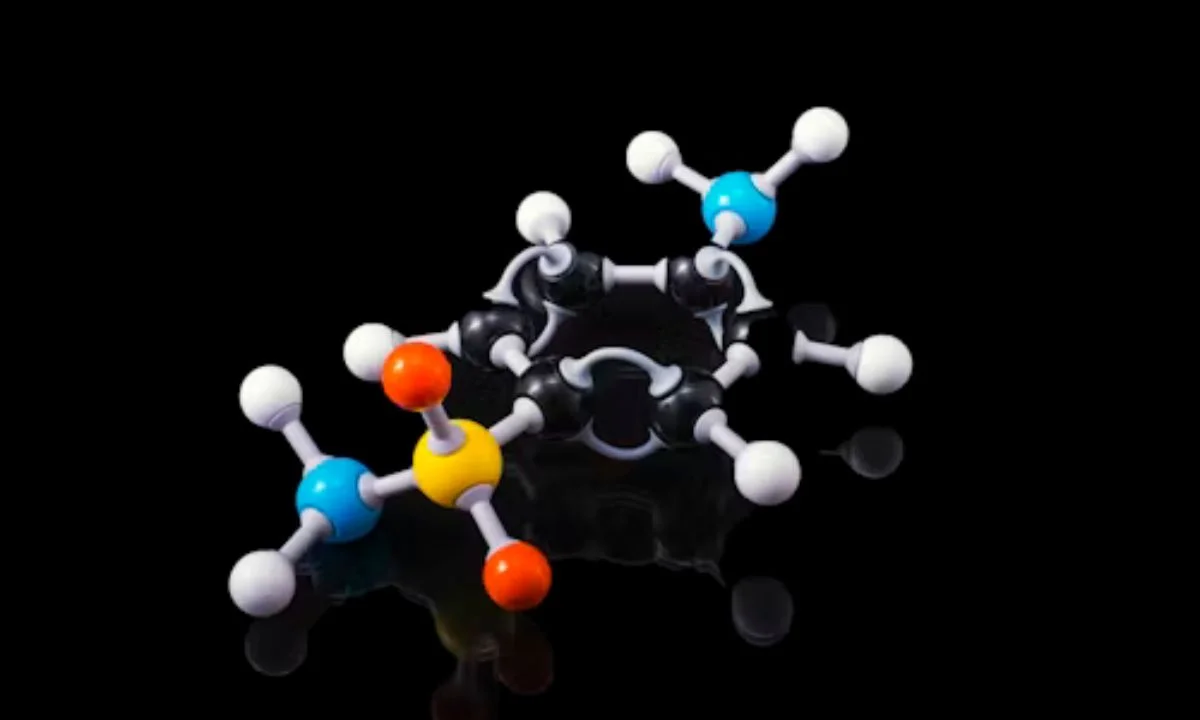
In the world of chemistry, the combination of substances like hcooch ch2 h2o plays a crucial role in numerous chemical processes, reactions, and industrial applications. Whether you’re a student, a professional chemist, or simply curious about chemical compounds, this article offers an in-depth exploration into the chemistry of these molecules and how they interact in various scenarios.
In this article, we’ll delve into:
- The chemical structure and properties of HCOOH, CH2, and H2O
- The reactions between these compounds
- Industrial and biological significance
- Safety and environmental impact
- Frequently asked questions about HCOOH CH2 H2O combinations
What Is HCOOH?
HCOOH stands for formic acid, also known as methanoic acid, the simplest carboxylic acid in organic chemistry. It naturally occurs in the venom of ant stings and is widely used in various industrial processes.
Chemical Structure of HCOOH
- Molecular Formula: HCOOH
- IUPAC Name: Methanoic Acid
- Molar Mass: 46.03 g/mol
Physical and Chemical Properties
- Appearance: Colorless liquid
- Boiling Point: 100.8 °C
- Solubility: Completely miscible with water
- Acidity: Stronger acid among simple carboxylic acids
Common Uses of HCOOH
- Leather tanning and textile dyeing
- Preservative and antibacterial agent in livestock feed
- Used in the production of leather goods
- Manufacturing of pesticides and fumigants
- Intermediate in chemical synthesis (e.g., formate esters)
What is CH2?
In organic chemistry, CH2 usually refers to a methylene group, which is a key fragment in countless organic compounds. It’s a part of many functional groups and plays a vital role in synthetic organic chemistry.
Understanding the Methylene Group
- Formula: CH2
Role of CH2 in Chemical Compounds
CH2 groups are found in:
- Alkanes (e.g., ethane: CH3-CH3)
- Alkenes (e.g., ethene: CH2=CH2)
- Polymers (e.g., polyethylene: repeating CH2 units)
Key Properties of Water
- Molecular Formula: H2O
- Molecular Weight: 18.015 g/mol
- Polarity: Highly polar
- Boiling Point: 100 °C
- Solvent Abilities: Dissolves ionic and many polar substances
Chemical Interactions: HCOOH CH2 H2O Reactions
Understanding how hcooch ch2 h2o (methylene group or methylene compounds), and H2O (water) interact is crucial for anyone studying organic synthesis or reaction mechanisms.
1. HCOOH + H2O
This reaction typically involves formic acid dissolving in water, which forms a weak acidic solution:
HCOOH ⇌ H⁺ + HCOO⁻This equilibrium showcases formic acid’s behavior as a weak acid in water. It’s partially ionized in solution, making it an ideal acid for biological and industrial processes.
2. CH2 and Water?
Pure CH2 is highly reactive and doesn’t exist freely in nature. Instead, it’s part of larger compounds. However, when used in the context of CH2-containing compounds (like formaldehyde or methylene chloride), they can react with water through hydrolysis or addition reactions.
Example Reaction:
- Formaldehyde (CH2O) + H2O → Methylene glycol (CH2(OH)2)
This illustrates how methylene compounds behave in aqueous environments.
3. HCOOH and CH2 Compounds
Formic acid is often used in reactions with CH2-based molecules for esterification or polymerization.
Example: In the presence of alcohols and acid catalysts, HCOOH can form formate esters, which are key intermediates in organic chemistry.
Industrial Relevance of HCOOH CH2 H2O Systems
Here’s how:
1. Chemical Manufacturing
- Methylene groups are part of synthetic intermediates for resins, plastics, and fuels.
2. Biotechnology and Pharmaceuticals
- Formic acid’s acidity can help regulate pH in biotech applications.
- Water is the primary solvent in pharmaceutical formulations.
- CH2 groups form part of active pharmaceutical ingredients (APIs).
3. Agriculture
- CH2-based compounds like methylene urea act as slow-release fertilizers.
Safety and Environmental Considerations
Safety Precautions
- HCOOH: Corrosive to skin and eyes; proper PPE (gloves, goggles) is required.
- CH2 Compounds: Some (like methylene chloride) are toxic and potentially carcinogenic.
- H2O: Safe, but when used in reactions, always consider the reactivity of other chemicals.
Environmental Impact
- Formic acid biodegrades easily and is considered relatively eco-friendly.
- Methylene chloride, however, can be harmful to aquatic life and should be handled responsibly.
- Water pollution concerns rise when these chemicals are not disposed of correctly.
Academic and Research Importance
The combination of HCOOH CH2 H2O is studied in:
- Organic reaction mechanisms
- Biochemical cycles (e.g., the formate pathway in microbes)
- Polymer chemistry (synthesis of formate esters and methylene-containing polymers)
- Environmental chemistry (degradation and byproduct analysis)
FAQs About HCOOH CH2 H2O
Q1: Can HCOOH and CH2 be found together in nature?
However, methylene groups are common in organic molecules that occur in nature, and these often interact with formic acid.
Q2: Is the reaction between formic acid and water dangerous?
Not inherently. However, formic acid is corrosive, so precautions should be taken when diluting it with water.
Q3: What’s areal-life use of these three substances?
In laboratory settings, reactions involving water, formic acid, and methylene-based intermediates are used to create esters or aldehydes, which are vital for making perfumes, plastics, and pharmaceuticals.
Q4: How does pH change when HCOOH is added to water?
The solution becomes mildly acidic due to the dissociation of HCOOH into H⁺ and HCOO⁻.
Q5: What are some industrial derivatives of this combination?
- Formate salts (e.g., sodium formate)
- Polyformaldehyde resins (from CH2O)
- Methylene glycol solutions
Conclusion: Why HCOOH CH2 H2O Matters in Chemistry
From simple acid-base reactions to complex polymer formation, these compounds influence multiple scientific domains and industries.
Whether you’re a student, researcher, or industry professional, understanding the behavior of HCOOH CH2 H2O equips you with knowledge that’s essential for innovation, safety, and practical chemical application.
